Tag: graphic design tools

  • FontViewOK Software Download and Features 2026


    FontViewOK Software Download and Features 2026

    FontViewOK is a lightweight Windows utility that helps users preview and compare installed fonts and font files. Moreover, its simple interface makes it easier to evaluate different typefaces before using them in documents, graphic designs, presentations, and other creative projects.

    Additionally, FontViewOK can help designers and everyday users compare font appearances without installing every font individually. However, version 9.33 should be checked against the official release history because it may not be the newest release available in 2026.

    Overview and Core Highlights

    FontViewOK focuses on font previewing and comparison rather than full-scale graphic design. Furthermore, its straightforward workflow helps users identify suitable typefaces for different text and layout requirements.

    Key Features

    • Font Previewing: View font appearances before choosing a typeface for a project.
    • Font Comparison: Compare different typefaces to identify suitable styles and weights.
    • Custom Text Preview: Examine how selected fonts display sample text.
    • Installed Font Review: Browse available fonts on a compatible Windows computer.
    • Font File Evaluation: Preview supported font files before deciding whether to use them.
    • Design Workflow Support: Compare typography options for documents, posters, and digital graphics.
    • Lightweight Utility: Use a focused font-previewing tool without needing a full graphic design application.
    • Simple Interface: Navigate font options and previews with minimal setup.

    What’s New in This Version

    FontViewOK 9.33 is the version specified in the supplied title. However, its exact release changes and current status should be confirmed using the developer’s release information.

    • Check the official release notes for version 9.33.
    • Verify compatibility with your Windows version.
    • Review any documented fixes or improvements in later releases.
    • Additionally, confirm which font formats are supported by the selected build.
    • Use a legitimate installer and avoid unauthorized activation packages.

    System Requirements

    Exact requirements can vary by release. Therefore, the following are general guidelines rather than verified minimum specifications for FontViewOK 9.33.

    • Operating System: A compatible Windows version supported by the selected release.
    • RAM: 2 GB recommended for basic font-previewing tasks.
    • Processor: A compatible Intel or AMD processor.
    • Storage Space: Approximately 100 MB of free space as a practical starting point.
    • Display: A compatible monitor with sufficient resolution to compare text samples.
    • Additional Requirements: Permission to access font files and install software when necessary.

    How to Download and Install

    1. Check the Version: First, confirm whether FontViewOK 9.33 is suitable for your system or whether a newer release is available.
    2. Review Compatibility: Verify that your Windows version supports the selected build.
    3. Obtain the Installer: Download the application from the developer or an authorized distributor.
    4. Scan the File: Additionally, check the installer with reputable security software before opening it.
    5. Run Setup: Open the installer and follow the displayed instructions.
    6. Launch the Utility: Start FontViewOK after installation or follow the developer’s instructions for a portable edition.
    7. Preview Fonts: Select available font files and compare their appearance using sample text.
    8. Choose Your Typeface: Finally, select the font that best fits your document or design project.
  • Adobe MAX Features and Creative Tools 2026


    Adobe MAX Features and Creative Tools 2026

    Adobe MAX is Adobe’s annual creativity conference, where designers, photographers, video creators, and digital artists explore new creative technologies. Moreover, the event features product demonstrations, educational sessions, and announcements about Adobe’s creative applications.

    However, Adobe MAX is an event rather than a standalone software application with a conventional installer. Therefore, users looking for creative tools should identify the specific Adobe application they need and review its current features, licensing options, and system requirements.

    Overview and Core Highlights

    Adobe MAX brings together creative professionals to explore design trends, emerging technologies, and updates across Adobe’s software ecosystem. Additionally, its sessions and demonstrations help users discover practical techniques for improving creative workflows.

    Key Features

    • Creative Product Announcements: Explore new features and developments across Adobe’s creative applications.
    • Graphic Design Insights: Learn techniques for creating layouts, illustrations, and marketing materials.
    • Photography Education: Discover editing workflows, retouching techniques, and image enhancement methods.
    • Video Production Sessions: Explore creative approaches to video editing, motion graphics, and storytelling.
    • Artificial Intelligence Demonstrations: Learn about AI-powered creative features introduced in supported Adobe products.
    • Professional Learning: Access presentations, demonstrations, and educational content for different experience levels.
    • Creative Community: Discover ideas and workflows shared by designers, artists, and other professionals.
    • Workflow Improvements: Explore techniques that can help improve productivity across creative projects.

    What’s New in This Version

    Adobe MAX 2024 refers to a past conference, not a software version. Consequently, its announcements should be distinguished from updates released for individual Adobe applications in 2026.

    • Review the announcements and product demonstrations associated with Adobe MAX 2024.
    • Explore subsequent Adobe MAX announcements for newer creative developments.
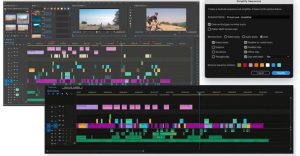
    • Check current release notes for applications such as Photoshop, Illustrator, and Premiere Pro.
    • Additionally, verify whether specific AI features require a subscription or an internet connection.
    • Compare supported features and licensing options before choosing an Adobe application.

    System Requirements

    Adobe MAX itself does not have traditional software system requirements because it is a conference. However, requirements vary depending on how you access its content or which Adobe application you choose.

    • Operating System: A supported Windows or macOS version for the selected Adobe application.
    • RAM: 8 GB may suit basic creative tasks; 16 GB or more is often preferable for demanding projects.
    • Processor: A compatible modern Intel, AMD, or Apple silicon processor, depending on the application.
    • Storage Space: Sufficient free space for the chosen application, project files, and media assets.
    • Graphics Hardware: A compatible GPU may be required for advanced editing and rendering features.
    • Internet Connection: Required for online event content, cloud features, and certain application services.

    How to Download and Install

    1. Identify Your Creative Goal: First, decide whether you want Adobe MAX event content or a specific Adobe creative application.
    2. Choose the Appropriate Product: For example, select Photoshop for image editing or Illustrator for vector graphics.
    3. Review Requirements: Check the supported operating system, hardware specifications, and subscription options.
    4. Obtain the Official Installer: Use an authorized source for the application you select.
    5. Install the Application: Open the installer and follow the on-screen instructions.
    6. Sign In: Additionally, use your Adobe account to access the features included with your license.
    7. Check for Updates: Install available updates that are compatible with your system.
    8. Start Creating: Finally, open a project and explore the tools relevant to your creative workflow.
  • PaintShop Pro Download Guide 2026


    PaintShop Pro Download Guide 2026

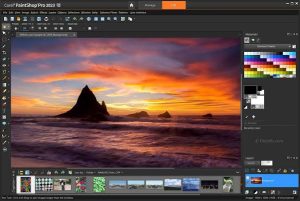
    PaintShop Pro is a photo editing and graphic design application created for photographers, designers, and digital artists. It provides tools for image correction, retouching, creative effects, and layered compositions. Additionally, its flexible editing workspace helps users enhance photographs and create polished visual content.

    Paragraph 2

    Moreover, PaintShop Pro supports creative projects ranging from portraits and landscapes to promotional graphics. However, supported operating systems and features vary by release, and the Windows edition should not be assumed to support macOS natively. Therefore, users should confirm compatibility before installing the application.

    Overview and Core Highlights

    PaintShop Pro combines photo correction, image manipulation, and graphic design tools in one creative workspace. Additionally, its editing features help users improve image quality and produce artwork for digital publishing, personal projects, and print.

    Key Features

    • Photo Editing: Adjust exposure, contrast, color, and sharpness to improve photographs.
    • Portrait Retouching: Refine portraits with supported correction and enhancement tools.
    • Layer Based Editing: Combine images, text, and graphic elements using editable layers.
    • Creative Effects: Apply artistic effects, filters, and visual treatments to images.
    • Background Editing: Select and modify image backgrounds for creative compositions.
    • Graphic Design: Create banners, social media graphics, invitations, and promotional materials.
    • RAW Image Support: Work with supported camera RAW formats and compatible processing tools.
    • Image Export: Save projects in supported formats for online sharing or print production.

    What’s New in This Version

    • Editing Enhancements: Review the official release notes for confirmed photo editing improvements.
    • Creative Tools: Check documented changes to filters, retouching, and graphic design features.
    • Format Compatibility: Verify supported image formats and camera RAW compatibility.
    • Performance Updates: Review official information about stability and processing improvements.
    • Operating System Support: Confirm compatibility with your current Windows environment and the specific release.

    System Requirements

    The following are general planning guidelines. Exact specifications depend on the PaintShop Pro release.

    • Operating System: A supported 64-bit Windows version.
    • RAM: 8 GB as a practical starting point; 16 GB is recommended for larger projects.
    • Processor: Compatible modern multicore Intel or AMD processor.
    • Storage Space: Sufficient free disk space for installation, photographs, project files, and temporary data.
    • Graphics: Graphics hardware compatible with the selected release.
    • Display: A supported resolution suitable for detailed photo editing.
    • Internet Connection: May be required for installation, account verification, activation, or updates.
    • macOS Compatibility: Check the specific product edition because PaintShop Pro is primarily a Windows application.

    How to Download and Install

    1. Check Compatibility: Confirm that your Windows version meets the requirements for the selected release.
    2. Choose a License: Review available trial or commercial licensing options.
    3. Access an Authorized Source: Use the software publisher’s official distribution platform or an authorized retailer.
    4. Select a Version: Confirm that the release supports your camera formats and editing needs.
    5. Download the Installer: Obtain the installation package from an authorized source.
    6. Prepare Your Computer: Save open projects and ensure enough storage space is available.
    7. Run Setup: Open the installer and follow the on-screen instructions.
    8. Configure Preferences: Complete the initial setup and choose suitable workspace settings.
    9. Activate the Application: Follow the legitimate licensing instructions for your edition.
    10. Test the Software: Open a sample photograph and test basic corrections, layers, and export options.
  • FontLab Studio Download Guide 2026


    FontLab Studio Download Guide 2026

    FontLab Studio is a professional font editor designed for type designers, graphic designers, and typography specialists. It provides tools for creating, editing, and refining digital fonts. Additionally, its specialized workspace helps users manage glyphs, spacing, kerning, and other essential elements of modern typeface design.

    Paragraph 2

    Moreover, FontLab Studio supports detailed font development workflows for branding, publishing, and digital interfaces. However, available features and compatibility depend on the installed version and operating system. Therefore, users should review the official release information before choosing version 8.2.1.8638 or another supported release.

    Overview and Core Highlights

    FontLab Studio provides a comprehensive environment for designing and editing typefaces. Additionally, its glyph editing, spacing, and font testing tools help designers refine typography for print and digital applications.

    Key Features

    • Glyph Editing: Draw and modify individual characters with detailed editing controls.
    • Vector Drawing Tools: Create and refine letterforms using editable vector outlines.
    • Font Spacing: Adjust character widths and side bearings to improve readability.
    • Kerning Controls: Fine-tune spacing between specific character pairs for balanced typography.
    • Font Family Management: Organize related styles and weights within a coordinated typeface project.
    • OpenType Support: Work with supported OpenType features for advanced typographic behavior.
    • Font Testing: Preview characters and text combinations to identify design inconsistencies.
    • Font Export: Generate supported font formats for use in compatible design and publishing applications.

    What’s New in This Version

    • Editing Improvements: Review the official release notes for confirmed updates to glyph editing.
    • Font Compatibility: Check documented support for font formats and operating system changes.
    • Workflow Enhancements: Verify any improvements to spacing, kerning, and font family management.
    • OpenType Updates: Review changes to supported OpenType features and font production workflows.
    • Stability Fixes: Consult the version history for confirmed bug fixes and reliability improvements.

    System Requirements

    The following are general planning guidelines. Exact requirements may vary by FontLab Studio version and operating system.

    • Operating System: A supported version of Windows or macOS, depending on the release.
    • RAM: 8 GB as a practical starting point; 16 GB is recommended for demanding projects.
    • Processor: Compatible modern 64-bit multicore processor.
    • Storage Space: Sufficient free disk space for installation, font projects, backups, and exported files.
    • Graphics: Graphics hardware supported by the selected operating system and application version.
    • Display: A supported screen resolution suitable for detailed glyph editing.
    • Input Devices: A mouse or compatible drawing tablet for precise outline work.
    • Internet Connection: May be needed for account access, activation, or software updates.

    How to Download and Install

    1. Check Compatibility: Confirm that your operating system supports the selected FontLab Studio release.
    2. Choose a License: Review available trial and commercial licensing options.
    3. Access an Authorized Source: Sign in to the software provider’s official platform.
    4. Select a Version: Verify whether version 8.2.1.8638 or a newer supported release meets your needs.
    5. Download the Installer: Obtain the application package from an authorized source.
    6. Prepare Your Computer: Save your work and ensure sufficient disk space is available.
    7. Run Setup: Open the installer and follow the on-screen instructions.
    8. Configure Preferences: Complete the initial setup and choose suitable workspace preferences.
    9. Activate the Software: Follow the legitimate licensing instructions for your edition.
    10. Test a Font Project: Open or create a small typeface project and test glyph editing, spacing, and export options.